

Have you ever walked into a store for one or two items, only to leave with a chocolate bar, a pack of gum, or a small snack you didn’t plan to buy? You’re not alone—and it’s not an accident. This common behavior is driven by a powerful retail strategy known as checkout impulse buying.
Retailers around the world carefully design the checkout experience to encourage last-minute purchases. From the placement of products to the psychology of waiting in line, every detail is optimized to increase the likelihood that customers will add one more item to their basket. Let’s break down the science and strategy behind why snacks sell so well at the cashier.
The Psychology Behind Impulse Purchases
At its core, checkout impulse buying is rooted in human psychology. When customers reach the checkout counter, they are already in a “buying mindset.” They’ve made decisions, committed to spending money, and are less resistant to adding small, low-cost items.
This moment is critical. Shoppers experience what psychologists call decision fatigue—after making multiple choices throughout the store, their ability to resist temptation weakens. As a result, they are more likely to make quick, unplanned decisions, especially when the risk (price) is low.
Snacks are the perfect product for this situation. They are affordable, instantly gratifying, and require little thought. This is why checkout impulse buying often revolves around items like candy, drinks, and small packaged foods.
Strategic Product Placement
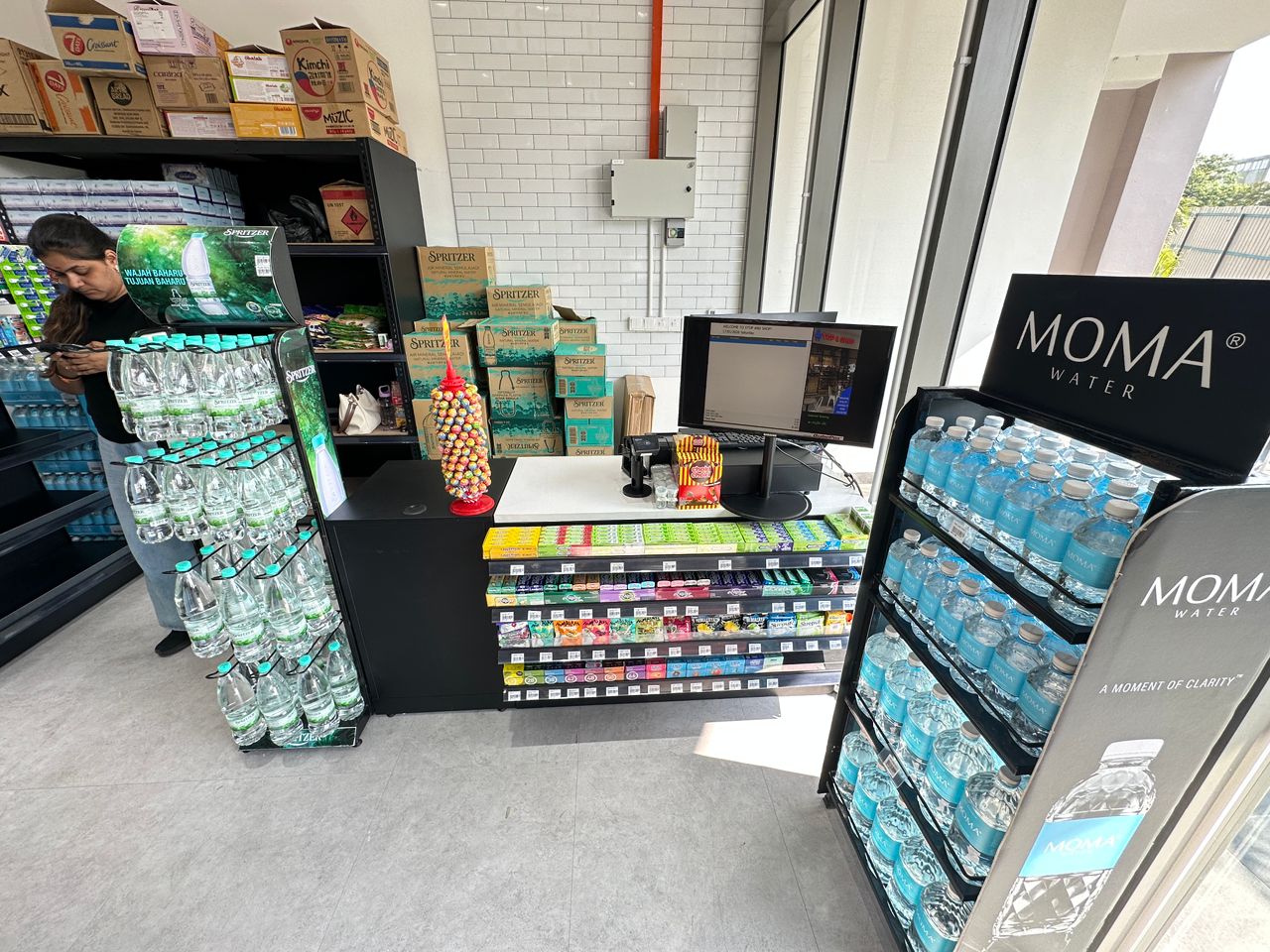
One of the biggest drivers of checkout impulse buying is product placement. Retailers don’t randomly place items near the cashier—every product is chosen deliberately.
Snacks are typically:
- Within arm’s reach: Easy to grab without effort
- At eye level: Positioned where customers naturally look while waiting
- Near payment terminals: Visible during the final decision moment
This placement ensures maximum visibility at the exact time when customers are most likely to make an impulse decision. Even a few seconds of exposure can be enough to trigger a purchase.
The Power of Waiting Time
Waiting in line might seem like a negative experience, but retailers turn it into an opportunity. When customers are standing still with nothing to do, their attention naturally shifts to their surroundings.
This is where checkout impulse buying becomes highly effective. The longer the wait (within reason), the more time customers have to notice and consider nearby products. Bright packaging, promotional signage, and attractive displays all work together to capture attention.
In many cases, customers don’t even realize they’re being influenced—they simply pick up an item to “pass the time” or reward themselves after shopping.
Pricing Strategy and Perceived Value
Another key factor behind checkout impulse buying is pricing. Items placed near the cashier are usually low-cost, making them easier to justify.
Customers often think:
- “It’s only a few ringgit.”
- “Why not?”
- “I deserve a small treat.”
This mental justification lowers the barrier to purchase. Retailers also use pricing tactics like bundle deals or small discounts to make the offer even more appealing. The goal is simple: reduce hesitation and encourage quick decisions.
Emotional Triggers and Instant Gratification
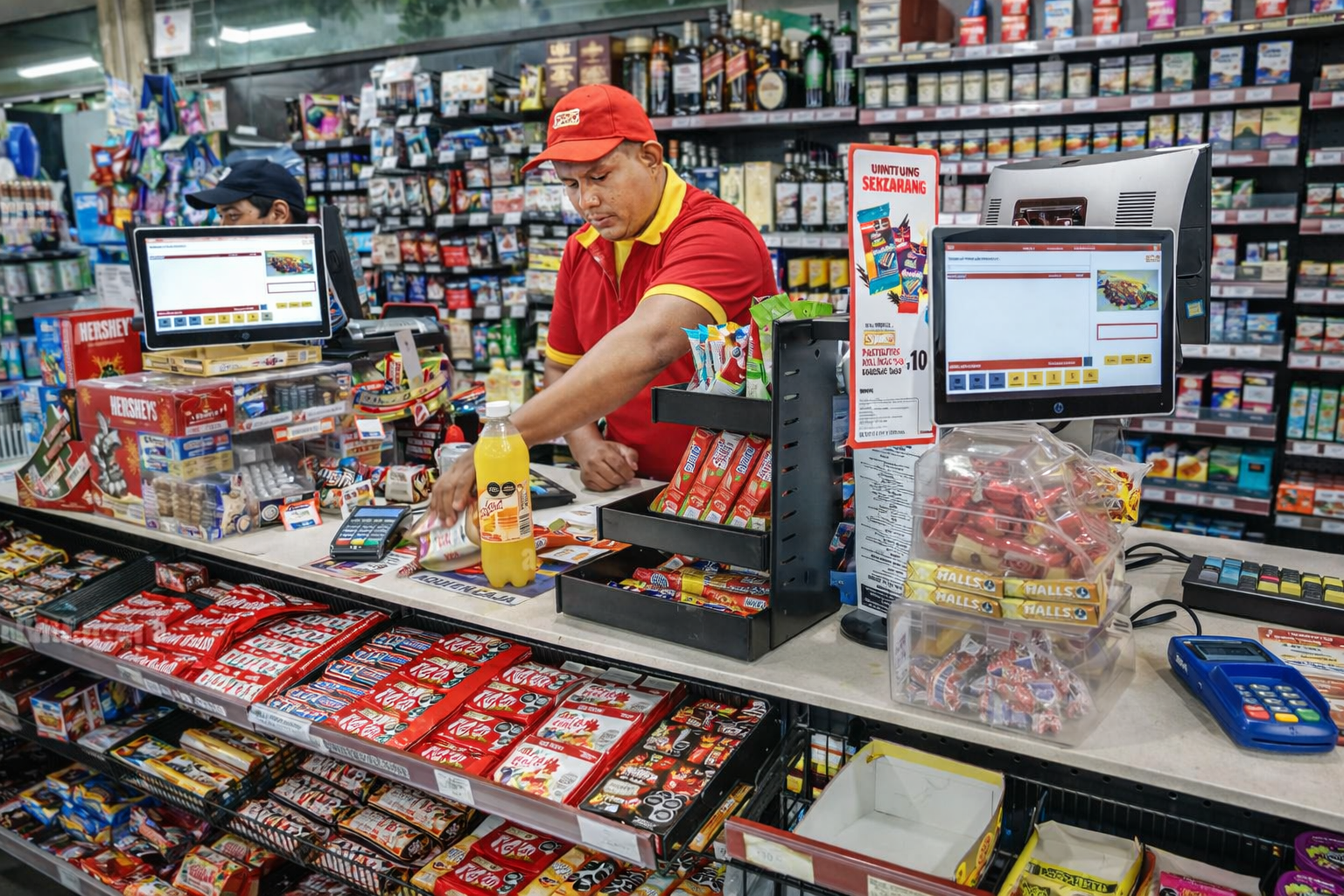
Humans are naturally drawn to instant rewards. After completing a shopping trip, buying a snack can feel like a small reward or indulgence.
Checkout impulse buying taps into this emotional trigger by offering:
- Sweet or savory treats
- Visually appealing packaging
- Familiar, trusted brands
These elements create a sense of comfort and satisfaction. In a fast-paced retail environment, customers are more likely to choose something that delivers immediate pleasure.
How Retailers Maximize Results
Successful retailers don’t rely on guesswork—they continuously test and refine their checkout strategy. This includes:
- Rotating products to maintain interest
- Using seasonal or trending items
- Adjusting layouts based on customer behavior
- Analyzing sales data to identify top-performing products
By optimizing these factors, businesses can significantly increase revenue through checkout impulse buying without needing to attract new customers.
Why This Strategy Works So Well
The effectiveness of checkout impulse buying comes down to timing and simplicity. Customers are already committed to purchasing, mentally tired from decision-making, and exposed to tempting products at the perfect moment.
It’s a combination of:
- Psychological readiness
- Strategic placement
- Low pricing
- Emotional appeal
Together, these elements create a powerful system that consistently drives additional sales.
Solutions with Uniwell
Understanding checkout impulse buying is only part of the equation—execution is what truly drives results. This is where solutions from Uniwell make a real difference.
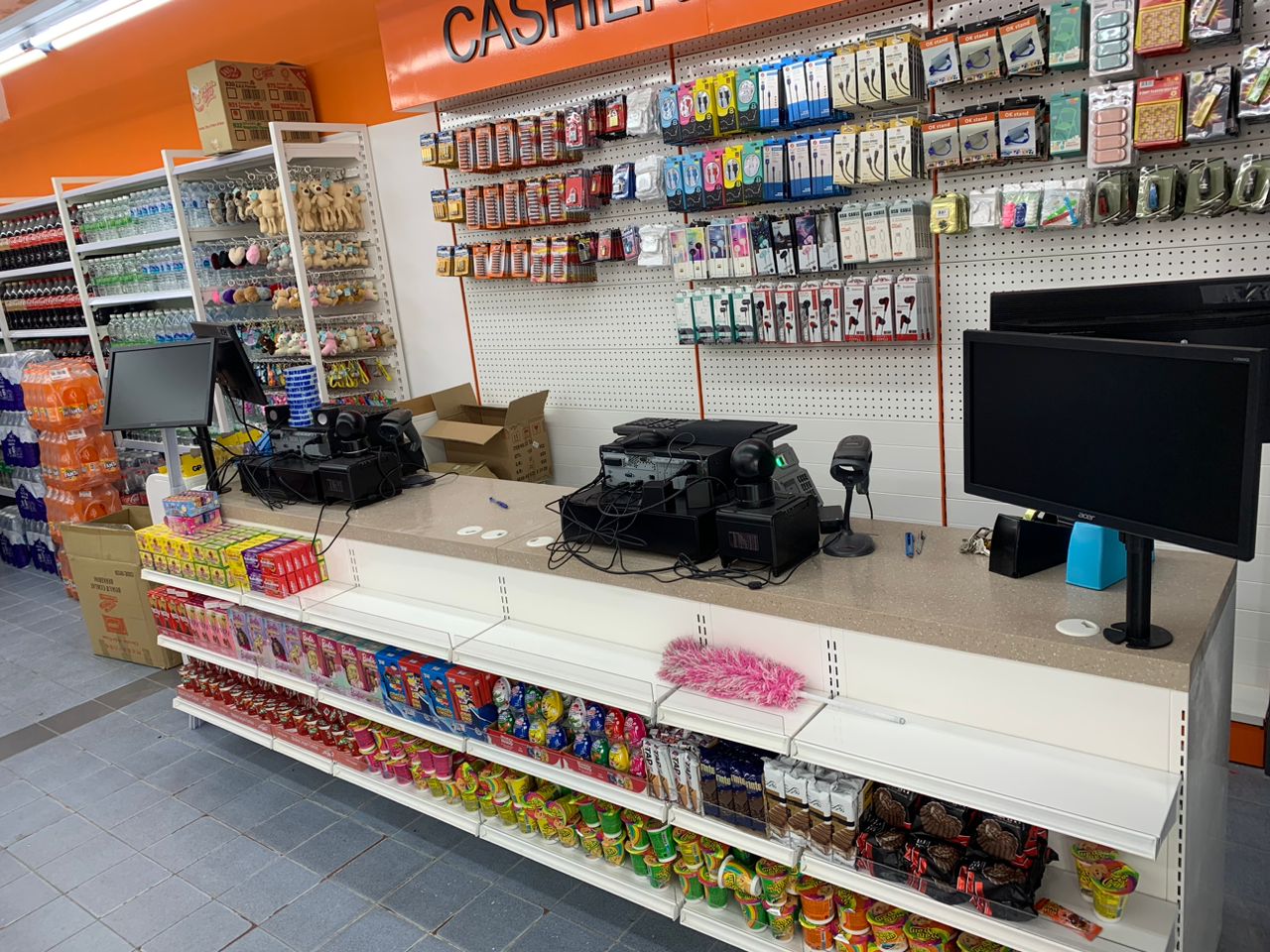
Effective checkout impulse buying depends heavily on both product display and checkout design. Uniwell provides retail racks and cashier counters that are purpose-built to position high-margin, fast-moving items exactly where customers are most likely to notice them—right before payment.
With the right combination of racks and cashier counters, retailers can:
- Place snacks and small items within easy reach
- Maximize visibility at eye level during checkout
- Create a smooth and organized payment area
- Encourage more last-minute purchase decisions
A well-designed cashier counter does more than process transactions—it becomes a strategic sales point. When paired with smart rack placement, it strengthens checkout impulse buying and increases the average basket size effortlessly.
In today’s competitive retail environment, combining proven consumer psychology with the right physical setup is key. With Uniwell’s integrated rack and cashier counter solutions, retailers can transform their checkout space into a powerful driver of revenue.
