
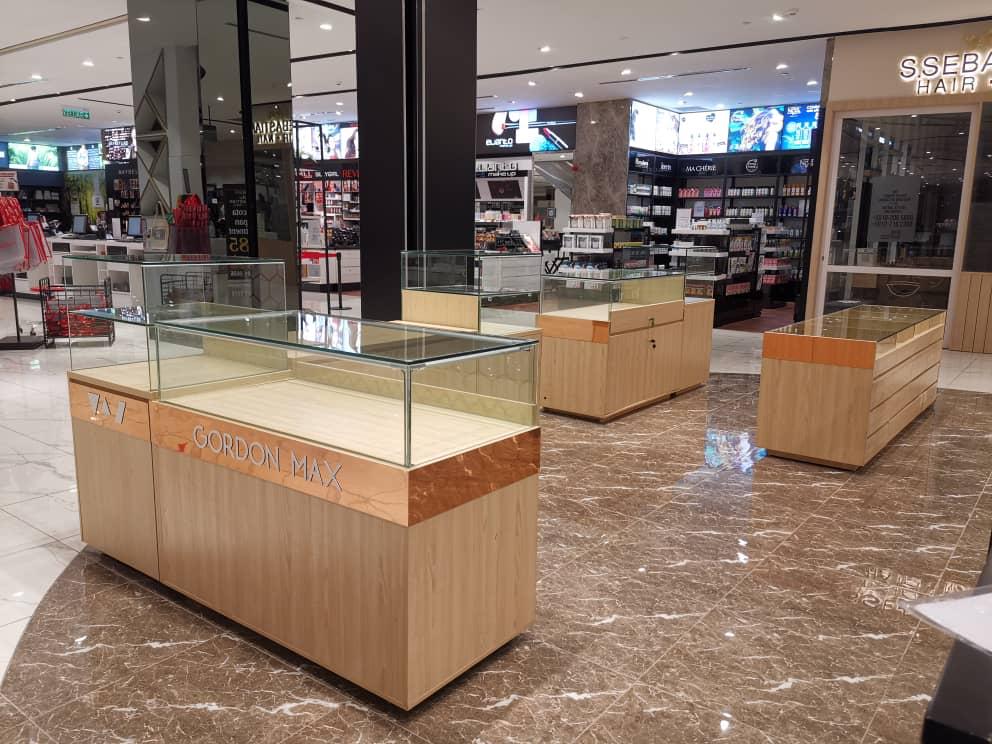
Retail spaces are changing rapidly as we move toward 2026. Across malls, supermarkets, specialty stores, and brand outlets, both shoppers and business owners are noticing the shift. Instead of full renovations and costly rebuilds, more retailers are choosing smarter upgrades that improve performance while keeping stores operational.
This new approach to retail spaces focuses on efficiency, flexibility, and experience — benefiting customers and businesses alike.
Why Retail Spaces Are Being Upgraded, Not Rebuilt
From a consumer point of view, expectations are higher than ever. Shoppers want retail spaces that feel modern, organised, and easy to navigate. Clear product displays, comfortable layouts, and a pleasant shopping environment all influence buying decisions.
For retailers and developers, the pressure comes from different angles. Rising construction costs, tighter timelines, and the need to minimise downtime make full rebuilds less attractive. Closing a store for months can mean lost revenue, disrupted staff operations, and unhappy customers.
As a result, many retail businesses are turning to targeted upgrades — refreshing their retail fixtures, improving layouts, and modernising gondola systems instead of tearing everything down.
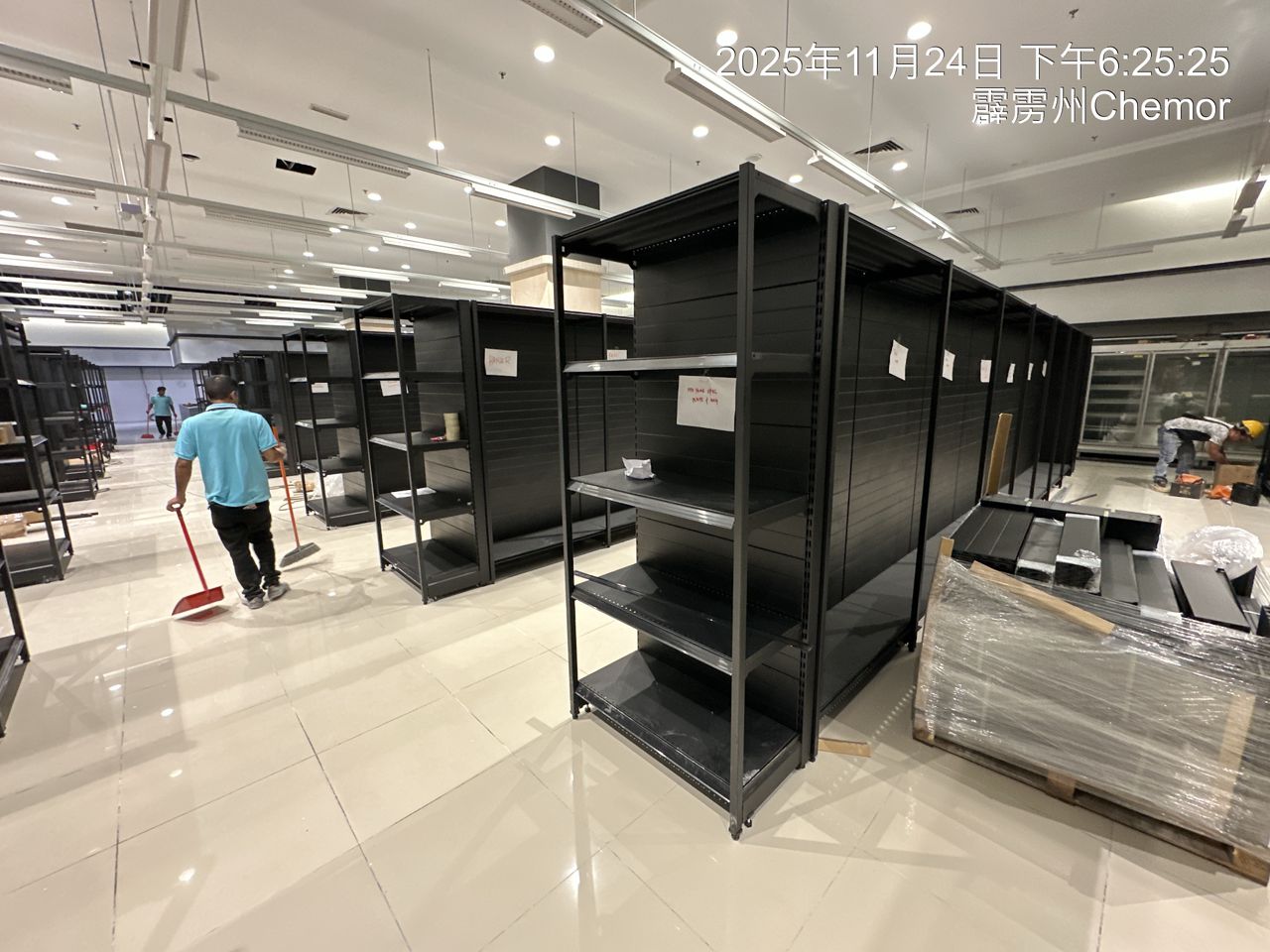
The Role of Fixtures and Gondola Systems
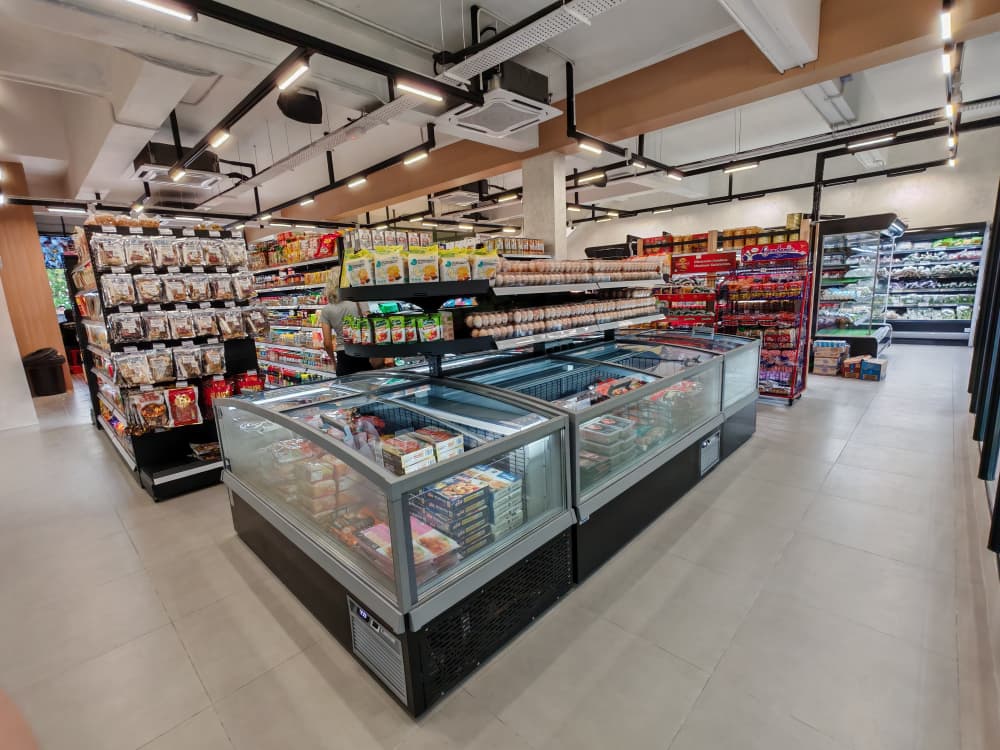
One of the most impactful changes in retail spaces comes from upgrading fixtures. Well-designed retail fixtures improve product visibility, enhance customer flow, and make stores easier to manage on a daily basis.
Gondola shelving, in particular, plays a major role in how retail spaces function. Flexible gondola systems allow retailers to:
-
Adjust layouts based on product changes
-
Improve stock presentation and accessibility
-
Respond quickly to promotions or seasonal campaigns
For shoppers, this means cleaner aisles and clearer product displays. For businesses, it means better space utilisation and faster store updates without major construction work.
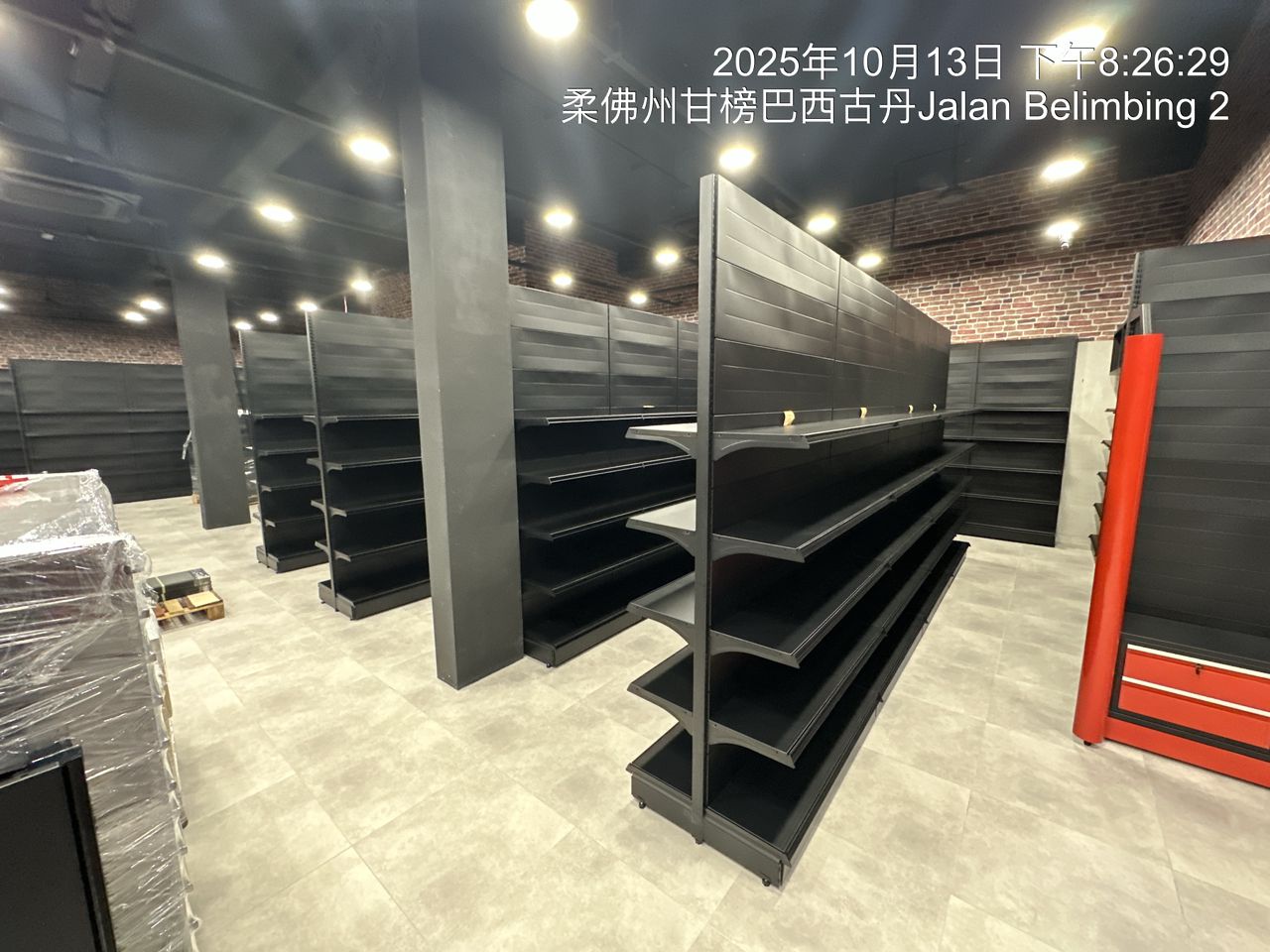
Smarter Retail Spaces Benefit Everyone
Modern retail spaces are no longer designed only for aesthetics. They must balance customer experience with operational efficiency.
For consumers (B2C), smarter retail spaces deliver:
-
Easier navigation and clearer product grouping
-
A more comfortable and enjoyable shopping experience
-
Stores that feel updated and well maintained
For businesses (B2B), the benefits are just as important:
-
Lower upgrade costs compared to full rebuilds
-
Shorter installation times with minimal disruption
-
Fixtures and gondola systems that can be reused or reconfigured
This dual benefit is why retail spaces built around flexible fixtures are becoming the preferred choice for future planning.
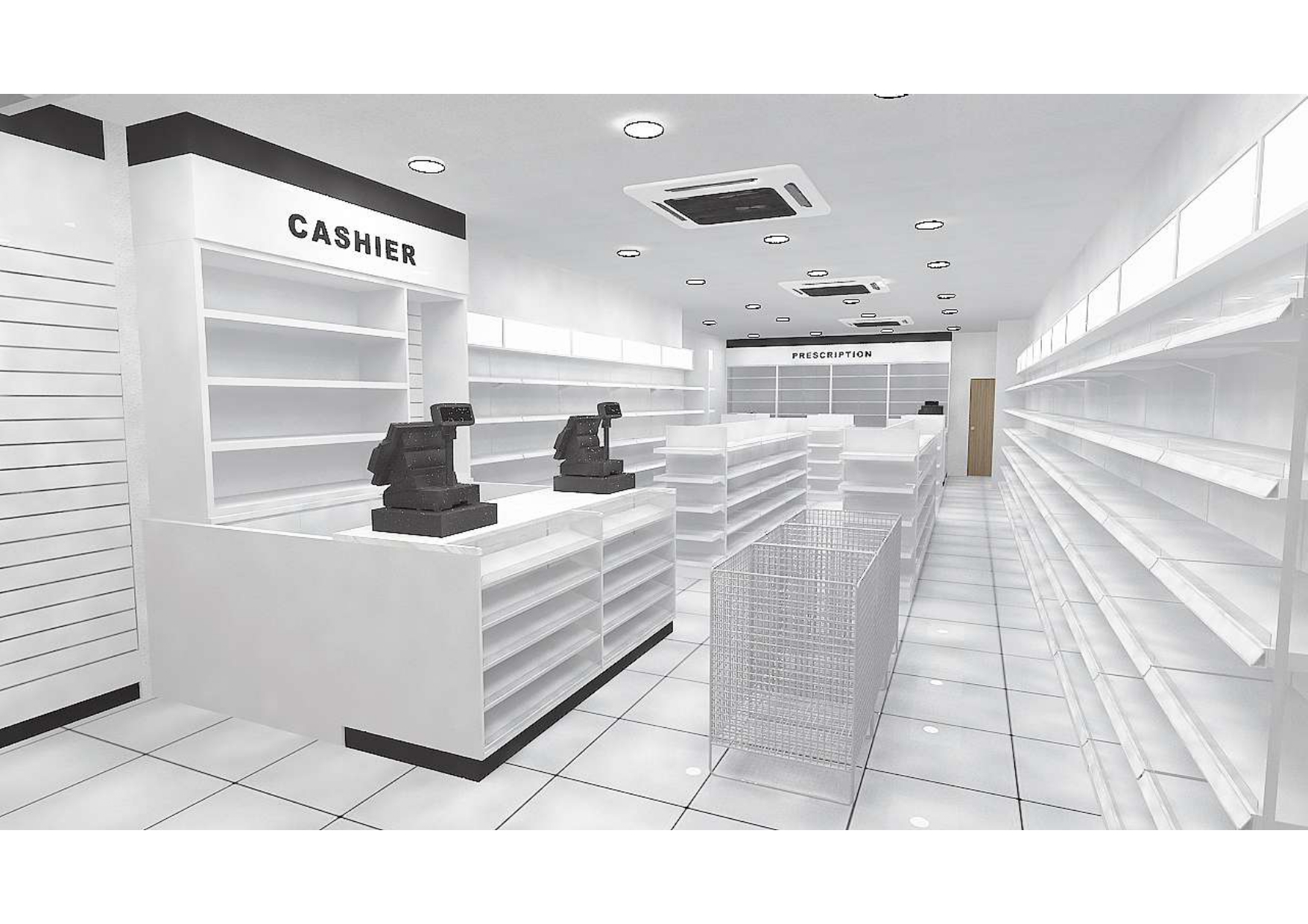
Why Early Planning Matters for Retail Spaces
One key lesson retailers are learning is that early planning creates better outcomes. Retail spaces that are planned ahead allow businesses to make smarter decisions about whether to refurbish, reuse, or replace existing fixtures.
Early planning helps retailers:
-
Control budgets more effectively
-
Avoid rushed decisions close to peak trading periods
-
Coordinate fixture upgrades across multiple locations
By starting early, businesses gain more design options and smoother execution — while shoppers benefit from better retail environments sooner.
Looking Ahead to Retail Spaces in 2026
Retail spaces do not need to be rebuilt to perform better. With the right strategy, upgrading retail fixtures and gondola systems can deliver strong results in a shorter time and at a lower cost.
At Uniwell, we support retailers and brands by providing fixture solutions that are modular, scalable, and designed for long-term use. Our approach helps retail spaces evolve with changing needs — without unnecessary disruption.
As 2026 approaches, the future of retail lies in smarter planning, flexible fixtures, and adaptable gondola systems. Whether you are a shopper enjoying a better store experience or a business planning your next upgrade, retail spaces designed with flexibility in mind will lead the way.
